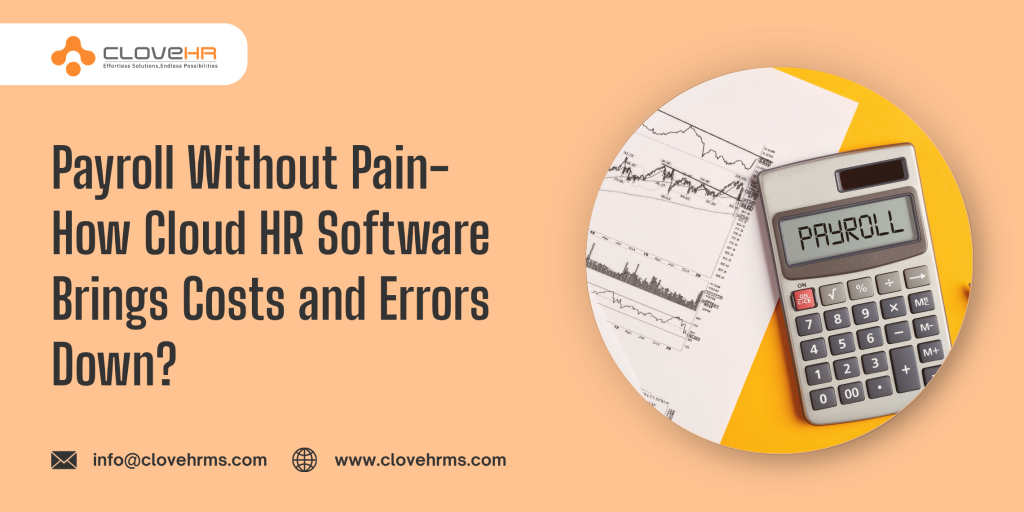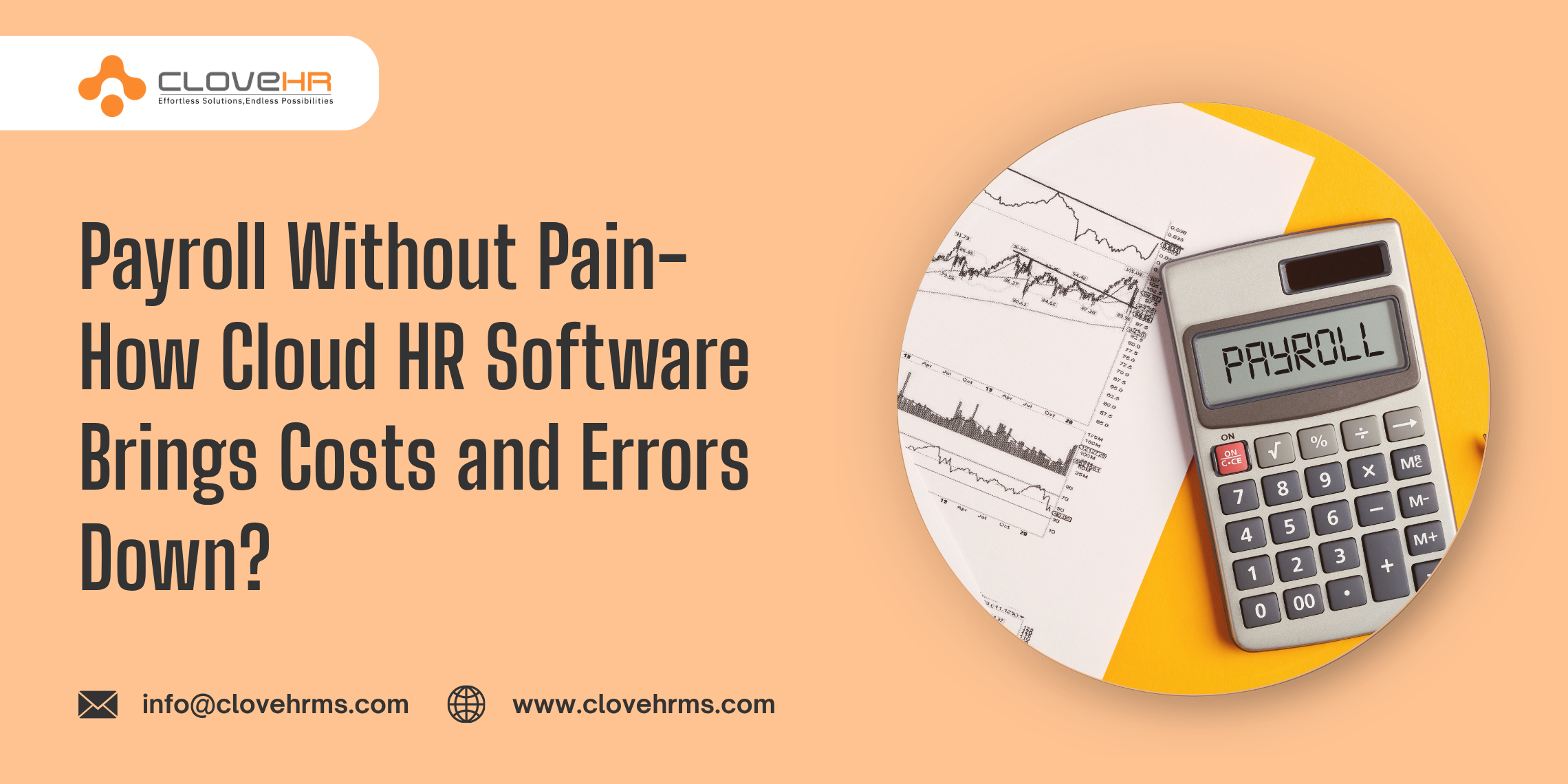

Just imagine that a payroll process made some error which resulted in your company’s drain of money, duplicity of efforts, and exposed you to compliance risks. That is a common scenario for any business who uses manual HR systems.
Thankfully Cloud HR software changes the complete picture with automatic calculations, smooth compliance integrity and lower overall expenditures. And, the result of this is faster and accurate overall payroll which frees your HR teams to focus more on building relations with employees. However, how does it do it; it’s time to find out.
How Cloud HR Software Transforms Payroll with its functionalities?
If you are not having the financial-side understanding of Payroll, then you must just see it as cutting checks, but even cutting checks asks for more than that. You have to be accurate, align with compliance, and stay trusted- something in which manual systems always struggled which led to costly errors and frustrated employees.
Cloud HR software changes this with the below important functionalities:
#1 Automated Calculations to Prevent Costly Mistakes
When things stay manual, they are always prone to errors especially when dealing with overtime, deductions, or tax adjustments. A Cloud HR software automates all of these processes so that every paycheck stays accurate without any human error. This in turns speeds up your payroll cycles because it lowers the time HR teams spend double‑checking numbers.
#2 Compliance Made Simple
It is not just about paying the employees but also about how to stay aligned with the dynamic tax ecosystem and labor regulations around the world. Here manual systems do struggle to keep up which results in costly penalties and legal risks. Cloud HR software simplifies compliance by automatically updating rules, applying correct tax rates, and generating accurate reports.
This takes care of the fact that payroll stays aligned with local and national regulations where HR teams save hours of research and avoid the stress of audits, while employees get confidence that their paychecks are legally sound and error‑free.
#3 Real‑Time Data Access Makes Accuracy Better
The errors in payroll suffer from outdated or incomplete information because manual systems were spreadsheets that required expertise in itself and since it was manual, the risk of miscalculations was common.
The HR software that works on cloud brings real‑time access to payroll data where managers and employees can view salary details, deductions, and tax information almost instantly with best of transparency and accuracy. This form of visibility lowers the chances of disputes, builds trust, and lets HR teams correct issues before they take costly form.
#4 Integration With Attendance and Timesheets
One big source of payroll errors is the data that does not match between attendance records and payroll calculations just because it was recorded manually.
The HRMS connects payroll with attendance and timesheet systems so hours worked, leave taken, and overtime are automatically recorded and is visible in the payroll without any manual reconciliation requirements.
This not only lowers errors but also saves notable time for HR teams and then employees benefit too, as they can trust that their pay accurately reflects their work hours without disputes or delays.
#5 Scalability Without Added Overhead
When businesses grow, payroll starts getting complex because there are more employees, different pay structures, and plethora of compliance requirements. If you use older systems, then it won’t be able to handle the big data requirements which will also force HR teams to spend more time and resources just to keep payroll running.
A cloud HRMS again solves this issue because it’s made scalable to handle increasing employee counts and systemic payroll handling for each head without any interference required from the HRs.
So, if your company doubles in size or expands across regions, the system automatically adapts to it and your payroll remains smooth, cost‑effective, and error‑free.
#6 Employee Self‑Service Reduces Admin Load
One of the most frustrating aspects of payroll for HR teams is handling endless queries — from payslip requests to tax clarifications.
With cloud HR software employees get self‑service portals where they can access payslips, update personal details, and track deductions right from anywhere they want. This closes the requirement of an IT personnel or HR and employees also get transparency and control, which builds trust and lowers misunderstandings.
#7 Analytics Drive Smarter Decisions
More than just a back‑office function, payroll is a goldmine of data because just imagine you have employee details, their salary history, economies tax details, and what not. An HRMS uses the payroll records to create actionable insights, so that businesses can spot trends in labour costs, overtime, and benefits usage.
These tools often have builtin analytics which HR leaders can use to forecast expenses, find inefficiencies, and make smarter workforce decisions.
Erode the pain to manage Payroll with CloveHR
CloveHR aims to remove the payroll pain for business and make it a seamless, automated process. It calculates salaries, deductions, and taxes with accuracy, while also taking care of compliance modules so that every regulation is met without manual intervention. If you want to take a tour of the features, you can schedule a call with the team and see how CloveHR makes Payroll easy.
FAQs
These tools make use of automating calculations and connect attendance data to remove manual entry mistakes and make sure that every pay check stays accurate.
Just like other important cloud software, HR tools use encryption, role‑based access, and compliance certifications to protect payroll information from breaches.
If your business has more than 4 or 5 people, then you are already having payroll math active, and a HRMS system can automate your payroll system.
Cloud systems update tax rules and labor laws automatically, ensuring compliance whether you operate locally or across multiple geographies.
Organizations save money by reducing penalties, cutting administrative hours, and improving employee trust. The long‑term ROI comes from efficiency and retention.